
What Is a Blockchain Validator? A Simple Shopping Mall Analogy
One of the most confusing concepts in blockchain is the role of a validator. People hear terms like staking, validation, consensus, slashing, and rewards, and it can quickly start to sound highly technical. In reality, the concept is much easier to understand than most people realize. A simple shopping mall analogy can help.
Imagine a Shopping Mall
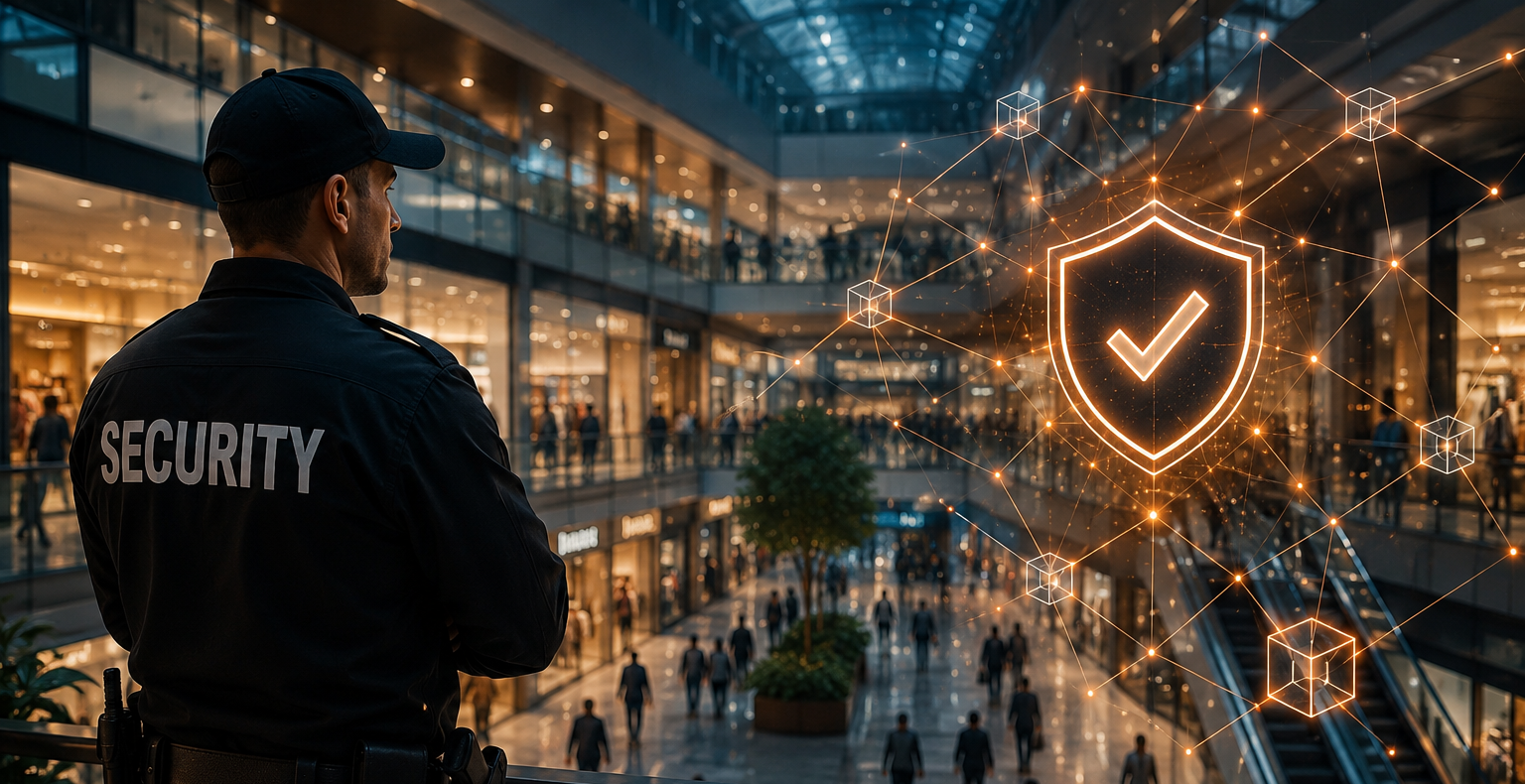
Think about a large shopping mall. Every day, thousands of people enter and leave the property. Stores are conducting business, customers are making purchases, and activity is happening everywhere. To keep the mall safe and operating properly, the mall hires security guards. Their job is not to own the mall or run the stores. Their job is to help protect the environment, monitor activity, identify problems, and ensure everyone follows the rules. Without security guards, the mall would be more vulnerable to theft, vandalism, and disruption. The guards help create trust.
The Blockchain Is the Mall
In this analogy, the blockchain network is the mall. The network contains transactions, applications, users, and digital assets moving around every day. Just like a mall needs protection and oversight, a blockchain needs participants who help verify activity and keep the system secure. Those participants are called validators.
Validators Are the Security Guards
Validators serve a role similar to mall security guards. They monitor activity, verify transactions, and help ensure the rules of the network are followed. When a transaction is submitted, validators check that it is legitimate. If enough validators agree that everything is valid, the transaction becomes part of the blockchain. The validator’s job is not to control the network. Their job is to help secure it.
What Is Staking?
Now imagine the mall requires every security guard to post a security bond before they can work. This bond proves they are serious, trustworthy, and financially committed to doing their job properly. If a guard refuses to post the bond, they cannot become a security guard. Blockchain staking works much the same way. Validators lock up cryptocurrency as collateral. This “stake” demonstrates that they have something valuable at risk and are financially invested in protecting the network. The larger the stake, the more responsibility the validator often has within the system.
Why Are Validators Rewarded?
Security guards expect compensation for doing their job. They spend time, maintain equipment, remain alert, and help protect the property. The mall pays them because their work provides value. Validators receive rewards for the same reason. By operating servers, validating transactions, maintaining uptime, and helping secure the network, validators contribute to the health of the blockchain. The network rewards them with newly issued tokens, transaction fees, or both. These rewards create a powerful incentive: Protect the network and get rewarded.
What Is Slashing?
Now let’s imagine a security guard starts helping thieves. Perhaps they disable cameras, leave doors unlocked, ignore criminal activity, or intentionally violate mall policies. The mall would not continue paying them. In fact, the mall might seize part of their security bond as a penalty. This is very similar to what blockchain networks call slashing. If a validator acts maliciously, attempts to cheat, or seriously violates network rules, a portion of their staked cryptocurrency can be confiscated. Slashing creates accountability. Validators have real financial consequences for damaging the network.
Why This System Works
The brilliance of Proof-of-Stake blockchains is that they align incentives. Validators are not simply asked to behave honestly. They are financially motivated to behave honestly. The safest and most profitable path is usually to follow the rules, maintain reliable infrastructure, and protect the network. Just as a mall wants security guards who care about keeping the property safe, blockchain networks want validators who are invested in the long-term success of the ecosystem.
The Bigger Picture
At its core, a blockchain validator is not much different from a trusted professional hired to protect an important system. Whether it is a shopping mall, a bank, an airport, or a blockchain network, the goal is the same:
- Create trust.
- Validators help ensure transactions are processed correctly, the network remains secure, and users can interact with confidence.
- In return, they earn rewards for their service.
- And because they have their own money at risk through staking, they are motivated to protect the network rather than harm it.
That simple incentive structure is one of the key innovations that makes modern blockchain networks possible.
In One Sentence
Validators are like security guards protecting a shopping mall: they put up a security deposit, monitor activity, follow the rules, get paid for doing a good job, and risk losing money if they abuse trust.
DISCLAIMER
This article is provided for educational and informational purposes only and does not constitute financial, investment, legal, or tax advice. Nothing in this content should be interpreted as an offer, solicitation, or recommendation to purchase any security, digital asset, or investment product. Participation in blockchain networks does not guarantee financial returns or profits.