
One of the biggest misconceptions in cryptocurrency is that your crypto is stored inside your wallet. In reality, that’s not how blockchain works. A simple explanation can help.
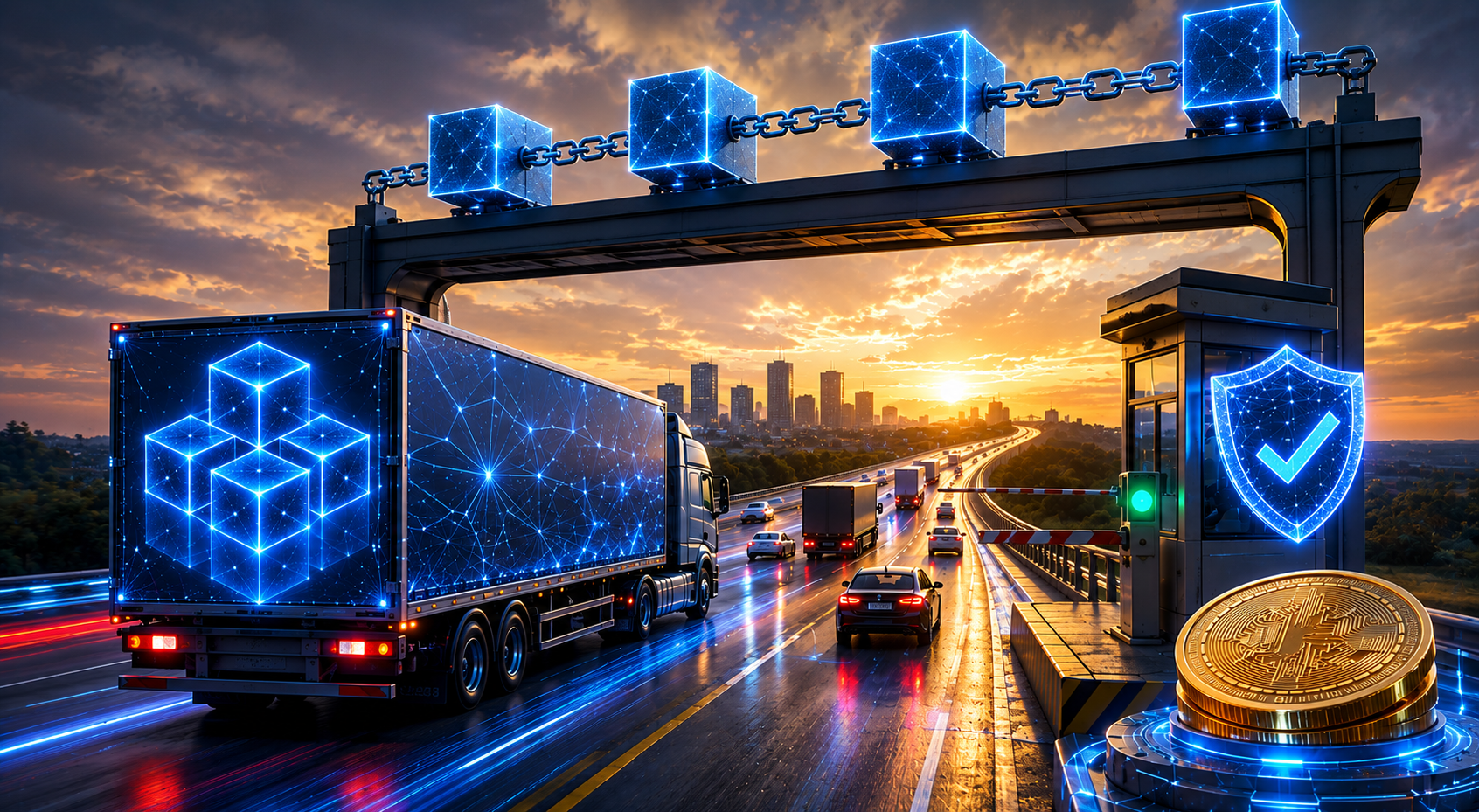
Imagine a major interstate highway system.
Thousands of cars travel across the highway every day, carrying people and goods from one location to another.
In this analogy:
- The blockchain is the highway.
- Transactions are the vehicles traveling on it.
- Wallets are the drivers.
- Validators are the highway patrol and traffic management system.
- Blocks are groups of vehicles that pass through a toll checkpoint together.
- Transaction fees are the tolls.
- Tokens or coins are the value being transported.
HOW IT WORKS
When someone sends cryptocurrency, it is similar to a truck transporting valuable cargo from one city to another.
Before the truck can continue down the road, it must pass through a checkpoint.
The highway patrol verifies:
- The truck is authorized to be there.
- The cargo belongs to the sender.
- The truck isn’t trying to duplicate cargo that was already delivered.
Once verified, the truck is allowed onto the highway and continues to its destination.
WHAT VALIDATORS DO
Validators act like highway patrol officers and traffic controllers.
Their job is not to own the highway or the cargo. Their job is to:
- Verify traffic is legitimate.
- Prevent fraud.
- Keep traffic moving efficiently.
- Maintain trust in the transportation system.
For performing this work, they receive rewards, much like highway operators collecting toll revenue.
WHY STAKING EXISTS
Imagine every highway patrol company had to post a large security bond before being allowed to operate.
If they intentionally helped thieves, created fake records, or ignored serious violations, part of that bond would be forfeited.
That bond is similar to staking. It gives validators a financial incentive to protect the network rather than damage it.
WHY BLOCKCHAIN MATTERS
The highway does not care who owns the truck. It simply provides a trusted transportation system that allows value to move safely from one place to another.
Blockchain does the same thing digitally. It creates a shared infrastructure where people can transfer value, information, and assets without needing a central authority to control every transaction.
THE SIMPLE TAKEAWAY
A blockchain is like a digital highway system.
Transactions are the vehicles. Validators are the highway patrol. Staking is the security bond. Fees are the tolls. And the blockchain provides the trusted road that allows value to move safely from one destination to another.
In simple terms: “The blockchain is the road. Validators keep it safe. Transactions move across it.”
DISCLAIMER
This article is provided for educational and informational purposes only and does not constitute financial, investment, legal, or tax advice. Nothing in this content should be interpreted as an offer, solicitation, or recommendation to purchase any security, digital asset, or investment product. Participation in blockchain networks does not guarantee financial returns or profits.